These high-protein feeds are for meat birds, particularly Cornish X Rock crosses that grow extremely fast. Broiler rations are typically 18 to 20 percent protein. This is sometimes called "grower-finisher" feed. For heritage and pastured meat birds, protein content can be lowered to 16 percent after 12 weeks of age until butchering. Some may choose to keep the heritage meat birds on the higher grower-finisher rations until slaughter

Chicken And Poultry Feed
Ruminant & Poultry & Premixes and Chemicals
Chicken and poultry feed comes in three forms: crumbles, pellets, and mash. Crumbles are excellent if you can get them, but pellets are sometimes the only form available. Mash is usually used for baby chicks, but it can be mixed with warm water to make a thick oatmeal-like treat for chickens
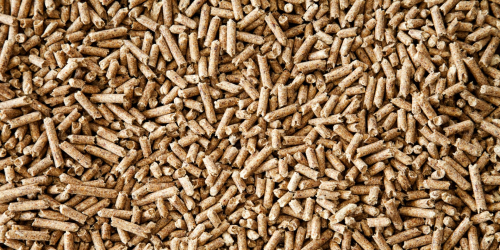

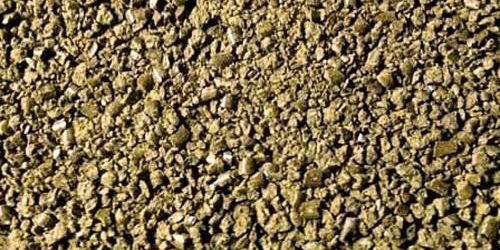
for chickens
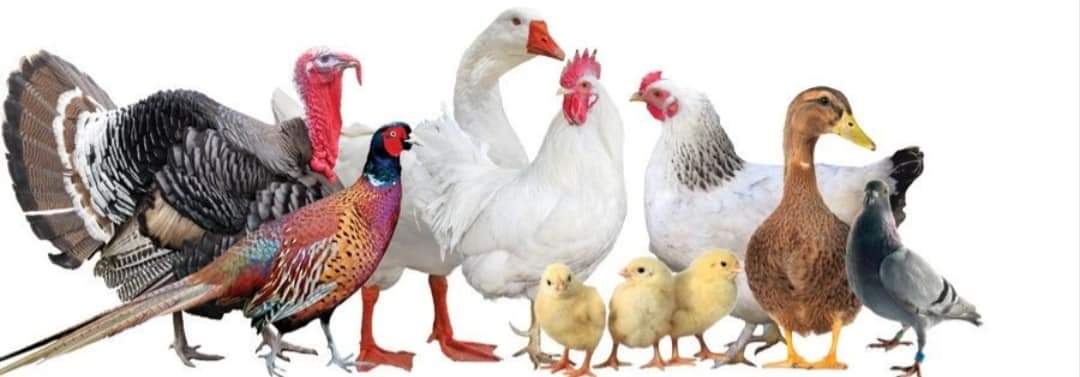
The correct type of feed for your chickens depends on two things: their age and whether they are meat birds or laying birds
Types of Poultry Feed
Broiler rations
Chick starter
Exactly what it sounds like, chick starter is for the first (usually six) weeks of your baby chicks' lives. This is typically 22 to 24 percent protein for meat birds (called broiler starter) and 20 percent protein for laying breeds. You can buy medicated or unmedicated chick starter. Most people use a medicated feed, but organic and pastured small farms often use unmedicated feed.
Grower pullet
After chick starter, young pullets that are destined for a laying flock are put on a lower-protein diet to slow growth to allow strong bones and adult body weight before laying begins. If the protein is too high, development happens quickly and the birds lay too early. Grower pullet rations typically have 18 percent protein and are fed until the chicks are 14 weeks of age.
Layer rations
Laying hens at maturity (around 22 weeks of age) require a 16 to 18 percent protein level and extra calcium and minerals for strong eggshells. Don't feed layer rations to birds younger than this age as it damages their kidneys due to the high amounts of calcium and phosphorus. However, roosters can eat laying rations
Pullet developer or finisher
At 14 weeks, young pullets can be lowered to a 16 percent protein feed until they begin laying. Some feedlines don't distinguish between this stage and the grower stage and just have a grower-finisher that is somewhere in the middle protein-wise
If you want to reduce the amount of feed you need for your chickens, raise them on pasture. They’ll be able to find enough insects, bugs, weeds, grasses, and seeds to stay healthy. They’ll still need some supplemental feed, though
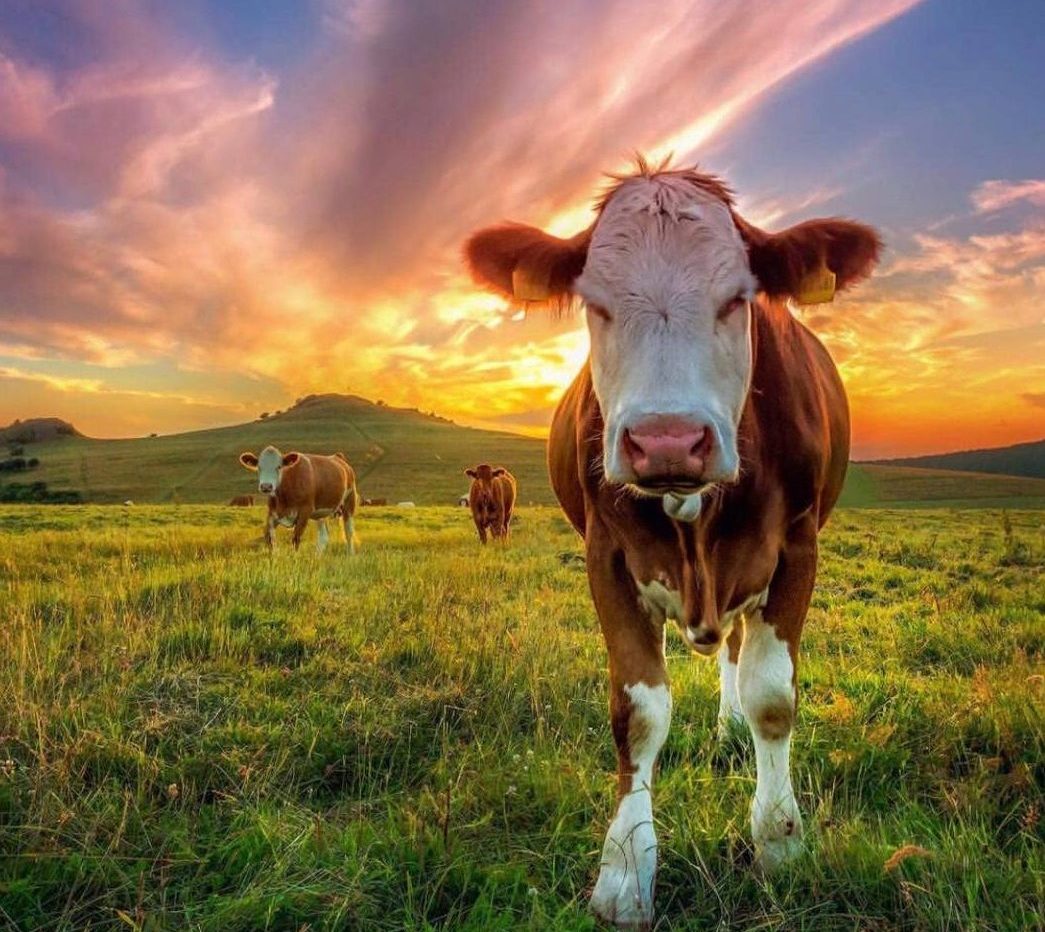
All cows are herbivores, or plant eaters
Ruminat Feed
All cows are herbivores, or plant eaters. They are also ruminants. All types of cattle are born with a four-chambered stomach. At birth, calves live on the fat and protein-rich milk from their mothers, and their stomachs function much like a single-chambered stomach. As they begin to nibble grass and other forage, though, the other three stomach chambers grow, develop and change to become one of the most efficient means of transforming plants into protein and fat nature ever developed.Cattle are very efficient at extracting as much nutrition as they can from forage materials.

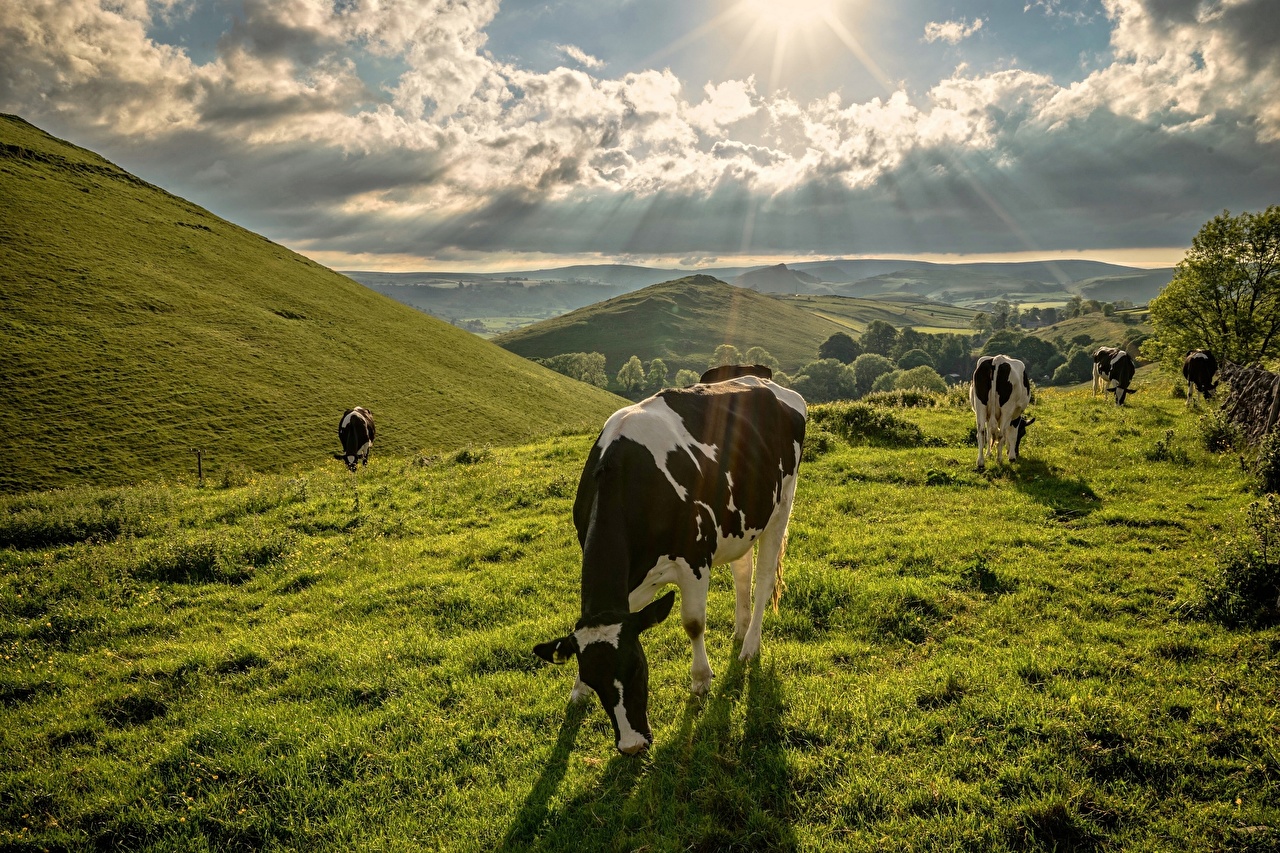
Ruminants have a special stomach chamber filled with microorganisms efficient at breaking down the components of grass, hay and other plants. The rumen, or special stomach, enables these creatures to live off of plants other single-stomach animals cannot digest.Beef cattle do, however, need specific nutrients to grow and thrive. Most beef cattle feed plans include different ratios of hay, grain and free choice minerals to help cattle grow and develop.Beef cattle do, however, need specific nutrients to grow and thrive. Most beef cattle feed plans include different ratios of hay, grain and free choice minerals to help cattle grow and develop.
As cattle transition from open fields to feedlots prior to slaughter, many are given ground shelled corn to ‘sweeten’ the meat and add fat that makes meat cuts tender.Beef cattle need different types of hay than dairy cows. Dairy cows are fed lush, protein-rich alfalfa hay, and such food actually make beef cattle sick. Some signs that your beef herd has consumed too much fresh pasture include bloat, diarrhea and other digestive problems.
Your cattle will do best on a pasture grass mix of hay. This hay includes legumes as well as grass. The exact types will differ according to where your hay comes from
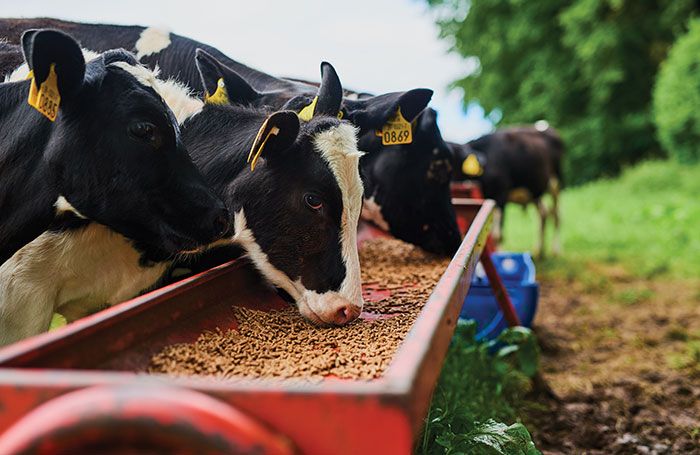
Cost of milk production from dairy animals can be optimised
Compound Cattle Feed
Compound cattle feed is a mixture of various concentrate feed ingredients in suitable proportion. Commonly used ingredients in compound cattle feed include grains, brans, protein meals/cakes, chunnies, agro-industrial by-products, minerals and vitamins.
Compound cattle feed is an economical source of concentrate supplements and it could be in the form of mash, pellets, crumbles, cubes, etc.Compound cattle feed is palatable and good source of nutrients for growing, adult, dry, milk producing and pregnant animals. Through regular use of compound cattle feed in prescribed quantity along with basal diet, cost of milk production from dairy animals can be optimised and net profitability can be increased.